Unveiling the Beauty of Mexican Art: A Colorful Journey through Tradition and Culture
Welcome to a vibrant exploration of the enchanting world of Mexican art, where tradition, culture, and creativity intertwine to create masterpieces that captivate the soul. Join us on a colorful journey through the heart of Mexico's artistic heritage as we delve into the rich history, vibrant colors, and captivating symbolism that define this unique art form.
In this blog post, we will uncover the hidden gems of Mexican artistry, from its traditional techniques passed down through generations to the modern innovations that blend seamlessly with age-old customs. Discover how Mexican art reflects the influences of culture and tradition, breathing life into every stroke and color choice. Get ready to immerse yourself in the beauty of Mexican art as we unveil the essence of this captivating and timeless artistic expression
Exploring the Rich History of Mexican Art
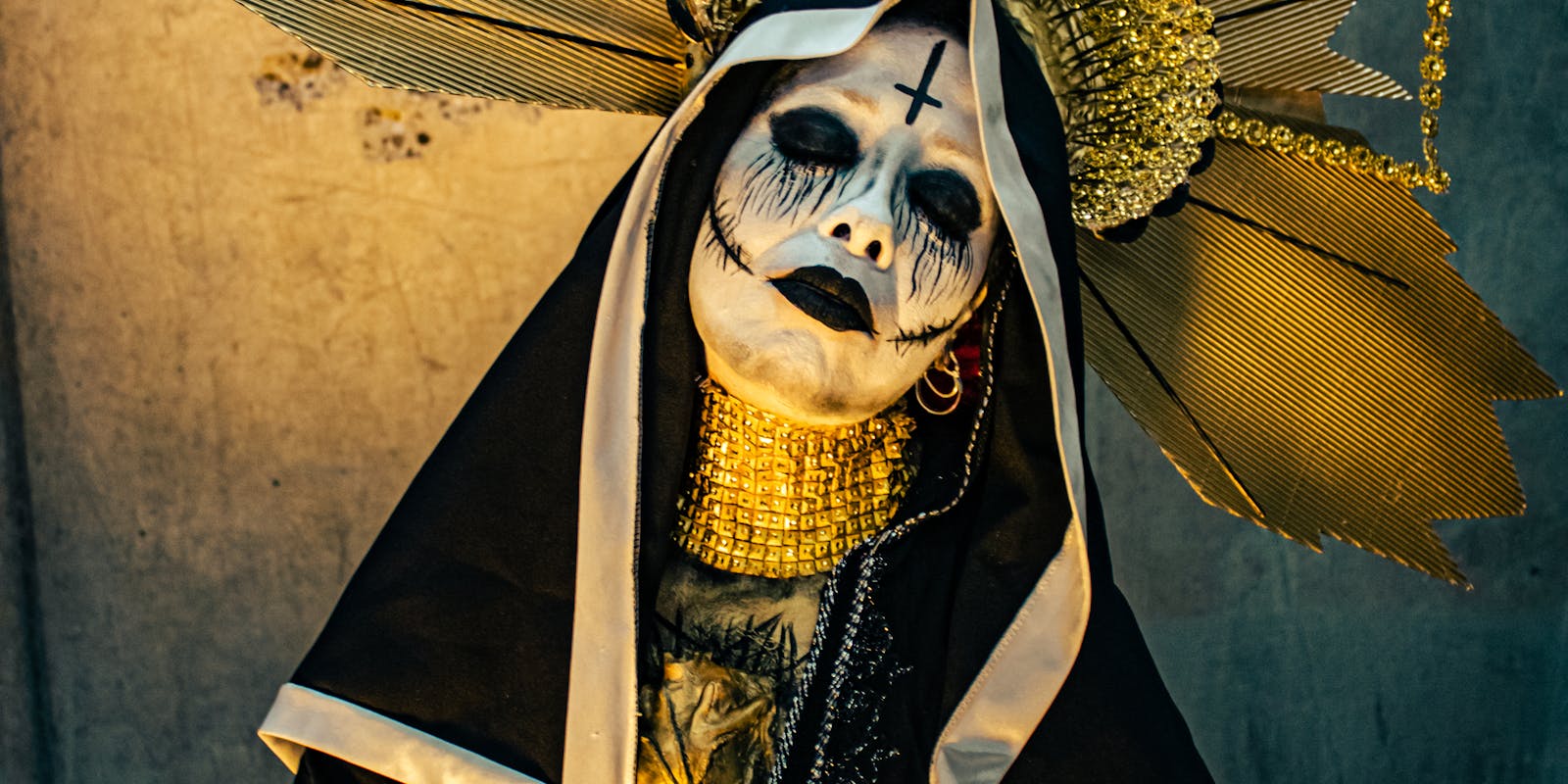
Mexican art boasts a rich tapestry woven from centuries of tradition, culture, and history. From the vibrant colors of pre-Columbian civilizations to the intricate symbolism of indigenous communities, Mexican art reflects a deep-rooted connection to the land, the people, and the stories that have shaped its evolution.
One cannot delve into the world of Mexican art without encountering the iconic works of renowned artists such as Diego Rivera, Frida Kahlo, and Rufino Tamayo. Their contributions have not only left an indelible mark on the global art scene but have also served as a testament to Mexico's tumultuous history and its enduring spirit.
The history of Mexican art is a testament to resilience and creativity in the face of adversity. From the murals depicting the struggles of the Mexican Revolution to the intricate pottery of Talavera, each piece tells a story of a nation grappling with its past while embracing its cultural identity.
Moreover, Mexican art is a living, breathing entity that continues to evolve and adapt to modern times while staying true to its roots. Contemporary artists draw inspiration from traditional techniques and themes, infusing them with a fresh perspective that speaks to the complexities of our modern world.
In conclusion, exploring the rich history of Mexican art is not just a journey through time; it is an immersion into a world where colors, symbols, and stories converge to create a vibrant tapestry that reflects the soul of a nation. It is a celebration of tradition, culture, and resilience—a reminder of the power of art to transcend borders and unite us in our shared humanity
Vibrant Colors and Symbolism in Mexican Art
When exploring Mexican art, one cannot help but be captivated by the extraordinary combination of vibrant colors and symbolism woven into every piece. These elements are not merely decorative but serve as profound representations of Mexico's rich cultural heritage and traditions.
Mexican art is renowned for its lively hues that evoke a sense of celebration and joy. From the brilliant reds and yellows to the deep blues and greens, each color holds significance beyond its aesthetic appeal. These vibrant colors often draw inspiration from nature, with shades mirroring the hues of the Mexican landscape, such as the vibrant blooms of the bougainvillea or the azure waters of the Caribbean Sea. The use of bold and striking colors reflects the passion and vitality inherent in Mexican culture.
Beyond the visual impact of the colors, symbolism plays a crucial role in Mexican art, adding layers of meaning and storytelling to each creation. Symbolism in Mexican art often draws from the country's indigenous roots, incorporating motifs and icons that have been passed down through generations. For example, the intricate patterns seen in traditional textiles or the elaborate designs of Aztec and Mayan art are often reinterpreted in contemporary pieces, bridging the gap between past and present.
Moreover, Mexican art frequently incorporates religious symbolism, reflecting the country's deep Catholic heritage. Symbols such as crosses, angels, and saints are recurrent themes that can be found in various art forms, from paintings to sculptures to textiles. These symbols not only convey religious devotion but also serve as a form of cultural expression and identity.
In essence, the vibrant colors and symbolism in Mexican art go hand in hand, creating a visual language that speaks to the heart and soul of Mexico. Each brushstroke, each motif tells a story of tradition, culture, and creativity, inviting viewers to immerse themselves in the beauty and depth of this dynamic artistic heritage
Traditional Techniques: The Heart of Mexican Artistry
Mexican art is a vibrant tapestry woven with centuries-old traditions and rich cultural influences. At the heart of this artistic heritage lie traditional techniques that have been passed down through generations, preserving the essence of Mexico's artistic identity.
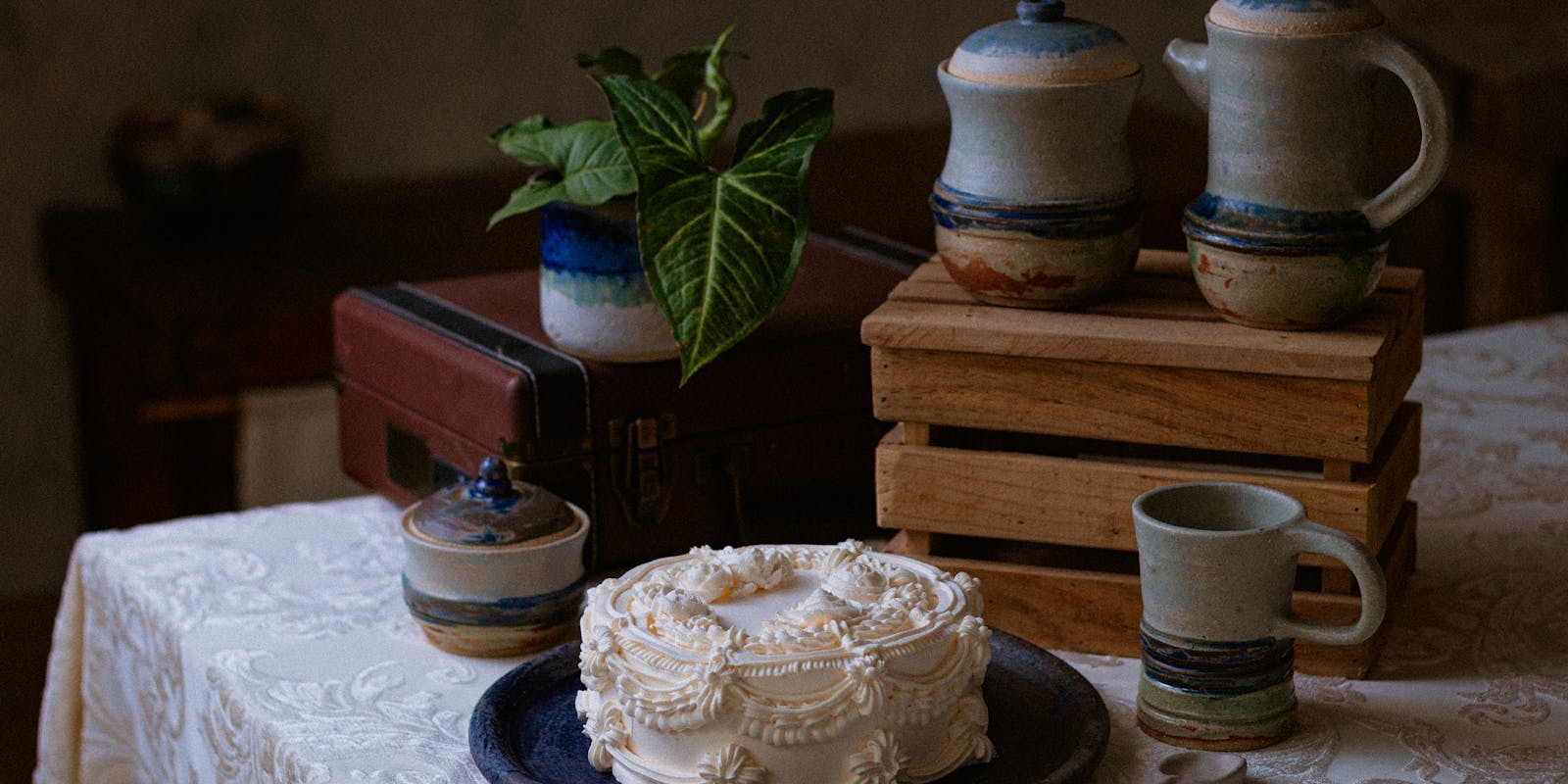
One of the most iconic traditional techniques in Mexican art is the intricate art of pottery making. Dating back to pre-Hispanic times, Mexican pottery is renowned for its exquisite craftsmanship and vivid designs. Artisans use clay sourced from local regions, shaping and molding it into intricate forms that reflect the natural beauty of Mexico's landscapes. The process often involves hand-painting the pottery with traditional motifs that pay homage to indigenous cultures and ancient myths.
Another traditional technique that forms the backbone of Mexican artistry is the intricate art of textile weaving. Mexican textiles are a testament to the skill and creativity of local artisans, who expertly weave intricate patterns and vibrant colors into garments and tapestries. The use of natural dyes derived from plants and insects is a common practice, adding depth and authenticity to these textile creations. Each woven piece tells a story, drawing inspiration from Mexico's diverse indigenous cultures and folklore.
The art of papel picado, or perforated paper, is yet another traditional technique that encapsulates the beauty of Mexican art. Artisans meticulously cut delicate designs into colorful tissue paper, creating elaborate banners and decorations that are often used in festivals and celebrations. These intricate paper creations showcase the precision and artistry of Mexican craftsmen, with each piece reflecting a deep connection to the country's festive traditions and religious beliefs.
In essence, traditional techniques form the very foundation of Mexican artistry, infusing each piece with a sense of cultural pride and heritage. By honoring these age-old practices and embracing the creative spirit of generations past, Mexican artists continue to weave a colorful tapestry of tradition and culture that captivates audiences around the world
Influences of Culture and Tradition on Mexican Art
Mexican art is a vibrant tapestry woven with threads of culture and tradition, creating masterpieces that reflect the country's rich and diverse heritage. From the intricate patterns of indigenous textiles to the bold colors of mural paintings, Mexican art is a true reflection of the country's unique identity.
One of the most significant influences on Mexican art is the fusion of pre-Columbian indigenous traditions with Spanish colonial influences. This blending of cultures is evident in various art forms, such as pottery, sculpture, and painting. The intricate details and symbolic motifs found in traditional indigenous art continue to inspire contemporary Mexican artists, giving rise to a rich visual language that celebrates the country's cultural roots.
Religious beliefs also play a significant role in Mexican art, with Catholicism being a dominant influence brought by the Spanish colonizers. This is particularly evident in the vibrant retablos (religious paintings) and ex-votos (folk art depicting miracles) that are an integral part of Mexican artistic traditions. The imagery and symbolism found in these religious artworks provide a window into the spiritual beliefs and practices that have shaped Mexican society for centuries.
Furthermore, Mexican art is deeply connected to its history of social and political upheaval. Muralism, pioneered by artists like Diego Rivera, Jose Clemente Orozco, and David Alfaro Siqueiros, became a powerful medium for social commentary and political activism. These monumental artworks not only showcase the technical skill of the artists but also serve as a visual chronicle of Mexico's tumultuous past, highlighting themes of revolution, injustice, and national identity.
In conclusion, the influences of culture and tradition on Mexican art are profound and multifaceted. From the ancient civilizations of the Aztecs and the Maya to the colonial legacy of Spain and the modern challenges of a rapidly changing society, Mexican art continues to evolve while honoring its heritage. This colorful journey through tradition and culture provides a deeper insight into the soul of Mexico and the creativity of its people
Blending Innovation with Heritage
Mexican art is a vibrant tapestry woven with threads of tradition and innovation, creating a cultural landscape that is as diverse as it is rich. At the heart of Mexican art lies a deep reverence for heritage, a legacy passed down through generations, shaping the artistic expressions we see today.
From the intricate patterns of indigenous textiles to the surreal landscapes of Frida Kahlo's paintings, Mexican art draws on a deep well of tradition that is constantly being reimagined and reinterpreted. It is this dynamic interplay between the old and the new that gives Mexican art its unique flavor, blending innovation with heritage in a way that is both inspiring and refreshing.
One can see this fusion of tradition and innovation in the work of contemporary Mexican artists like Ciler, who combines traditional folk art techniques with a modern aesthetic to create strikingly original pieces. Similarly, the vibrant street art scene in cities like Mexico City pays homage to the country's rich cultural heritage while pushing the boundaries of artistic expression.
Mexican art is a living, breathing testament to the power of blending innovation with heritage. It serves as a reminder that the past is not something to be preserved in amber, but a source of inspiration to be drawn upon and reimagined in new and exciting ways. Through its colorful tapestry of traditions and cultures, Mexican art invites us to explore the beauty of the old, while embracing the endless possibilities of the new
Conclusion
In conclusion, Mexican art is a tapestry woven with threads of tradition, culture, and creativity, creating a mesmerizing display of masterpieces that reflect the heart and soul of a rich heritage. From traditional techniques handed down through generations to modern innovations embracing age-old customs, Mexican artistry continues to captivate and inspire. The vibrant colors, captivating symbolism, and profound influences of culture and tradition breathe life into every stroke and color choice, making Mexican art a timeless expression of beauty and creativity. As we unveil the essence of Mexican art, we celebrate its richness, diversity, and enduring legacy that continue to enchant art lovers around the world